Loose Skin After GLP-1 Weight Loss: Dr. Brooke French Discusses Tummy Tuck
With the rise of weight loss due to GLP-1 medications and bariatric surgery, patients are looking for a solution to loose or sagging skin. CU Medicine cosmetic surgeon Brooke French, MD, discusses tummy tuck and how it can help massive weight loss patients.
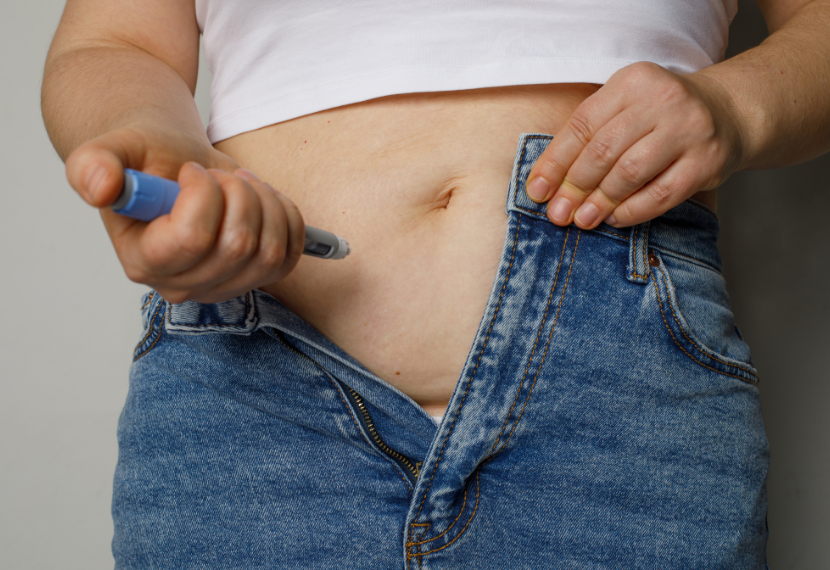
GLP-1 medications like semaglutide and tirzepatide, sold under brand names like Ozempic, Wegovy and Mounjaro, have helped millions of Americans achieve significant weight loss. For many patients, these medications have been life changing. But reaching a goal weight does not always mean the journey is over.
“One of the most common concerns providers are hearing from patients after major GLP-1-assisted weight loss is loose, sagging skin, particularly around the abdomen,” shared Brooke French, MD, from CU Medicine Cosmetic Surgery – CU Anschutz Health and Wellness Center.
Unlike gradual weight loss that happens over several years, medication-assisted weight loss can occur in a matter of months. The skin, which stretches to accommodate weight gain over time, often cannot retract quickly enough to keep up, leaving excess abdominal skin that no amount of exercise or topical treatment can remove. For patients in this situation, abdominoplasty, commonly called a tummy tuck, may offer a solution.
Loose Skin with GLP-1 and Massive Weight Loss
Losing a significant amount of weight, whether through GLP-1 medications, bariatric surgery or sustained lifestyle changes, is a major health achievement. For many patients, however, the scale is only part of the story. After massive weight loss, loose and excess skin often remains, particularly around the abdomen.
This is not a reflection of how hard a patient has worked. When the body carries extra weight for an extended period, the skin stretches to accommodate it and may lack the elasticity needed to fully retract after weight loss.
“For patients dealing with this, a tummy tuck is the most effective and lasting solution for removing excess abdominal skin and restoring a midsection that reflects the work they have put in,” shared Dr. French.
Tummy tuck can also be combined with liposuction and skin tightening procedures to maximize results.
How a Tummy Tuck Works
A tummy tuck, or abdominoplasty, is a surgical procedure that removes excess skin and fat from the abdomen while tightening the underlying abdominal muscles. For many post-weight loss patients, those muscles have weakened or separated over time, a condition known as diastasis recti, and a tummy tuck addresses that as well. The belly button is repositioned as part of the procedure for a natural-looking result.
Steps of a tummy tuck:
- The patient is placed under general anesthesia
- An incision is made low by the bikini line
- Tissue is separated up to the top of the abdomen
- A core incision is made around the belly button
- The patient is flexed at the time of surgery so the provider can pull skin down and remove the excess skin
- The belly button is restored
- The rectus muscles are repaired
- The patient is put into a compression binder around their midsection to keep the surgical site snug and tight
Who is a Good Candidate for a Tummy Tuck?
A tummy tuck is a body contouring procedure where timing matters. The best candidates for a tummy tuck are patients who:
- Are in good health
- Are at their ideal weight
- Are non-smokers or willing to stop before surgery
- Are no longer actively losing weight, including patients who have completed or paused GLP-1 medication use
A consultation with a provider at CU Medicine Cosmetic Surgery – CU Anschutz Health and Wellness Center is the best first step in determining whether the procedure is the right choice.
GLP-1 and Tummy Tuck FAQs
How long after GLP-1 weight loss should I wait before getting a tummy tuck?
Most surgeons recommend waiting until your weight has been stable for at least three to six months before undergoing surgery. This helps ensure the best possible outcome and reduces the risk of complications.
Will I need to stop my GLP-1 medication before surgery?
Patients are generally advised to pause GLP-1 medications before surgery. Your provider at CU Medicine Cosmetic Surgery - CU Anschutz Health and Wellness Center will give you specific guidance based on your individual health history.
Will a tummy tuck help with separated abdominal muscles?
Yes. Diastasis recti, the separation of abdominal muscles that commonly occurs with significant weight gain or pregnancy, is addressed as part of the tummy tuck procedure.
Is the scarring noticeable?
A tummy tuck does leave a scar, typically positioned low on the abdomen and easily concealed by underwear or a swimsuit. Scarring fades significantly over time for most patients.
Tummy Tuck Recovery and Results
Most patients return to light activity within two to three weeks of surgery and resume exercise around six to eight weeks. Swelling resolves gradually, and final results are typically visible at three to six months. With stable weight maintenance, results are long lasting.
“The goal is a natural-looking outcome, and patients are often surprised by how much the procedure changes not just their appearance but how they feel in their body day to day,” shared Dr. French.
The team at CU Medicine Cosmetic Surgery – CU Anschutz Health and Wellness Center can walk patients through what to expect at every stage of the recovery during a consultation. Call 303-724-8700 to schedule an appointment and learn more.
