Melanoma Care
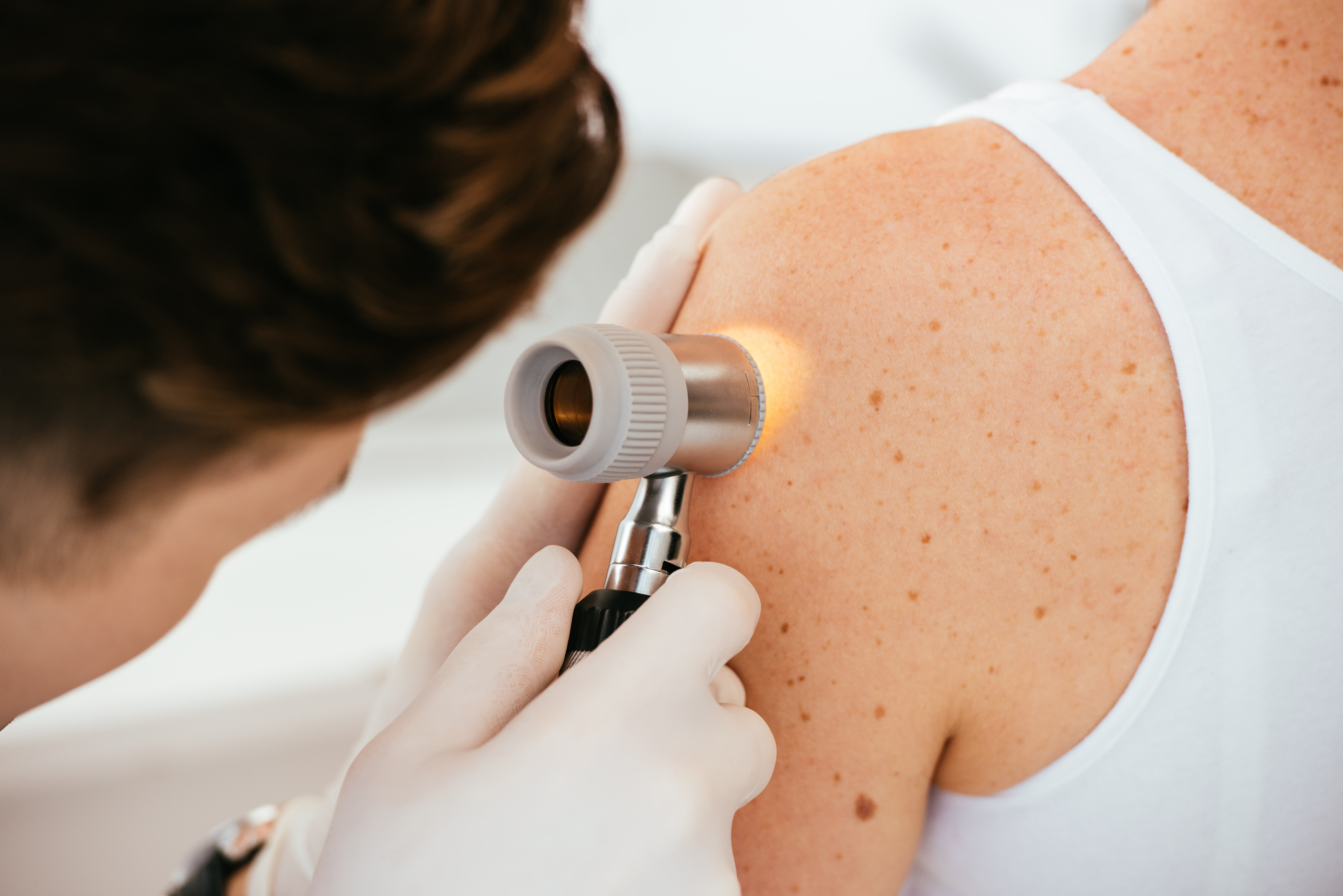 CU Medicine providers offer expert, compassionate and comprehensive care for those who have received a melanoma diagnosis. Our melanoma specialists are committed to providing care tailored to each patient’s individual needs.
What is Melanoma?
Melanoma is an uncommon type of skin cancer that begins in cells that produce melanin, known as melanocytes. Melanin is a pigment that gives skin its natural color. This is why when melanoma develops, it can cause a mole to change color, size or shape. Most melanomas appear as brown or black moles; however, some melanomas stop producing melanin and can appear lighter. CU Medicine melanoma specialists are trained to recognize even the most uncommon or subtle signs of this type of skin cancer.
While melanoma is less common than other forms of skin cancer, it is more of a health risk because it can easily spread to other parts of the body.
What Causes Melanoma?
Although the exact DNA changes that turn melanocytes into cancer cells aren’t fully understood, experts know melanoma is influenced by a mix of environmental and genetic factors. Understanding the risk factors below can help you stay proactive about skin health:
- UV Light Exposure: UV radiation comes from the sun as well as indoor tanning. People who live in Colorado are at an increased risk of UV light exposure given the state’s higher elevation, which intensifies UV radiation. That risk increases further for those who spend time outdoors.
- Genetics: One in 10 patients diagnosed with melanoma also has a family member who has been diagnosed.
- Weakened Immune System: Those with a weakened immune system have an increased risk of developing melanoma.
- Fair Skin: Those who sunburn easily are at greater risk of developing melanoma.
- Age and Gender: Melanoma risk increases with age and is more common in men.
- Many Existing Moles: Those with 50 or more existing moles, or large or atypical moles, are at an increased risk of developing melanoma.
- History of Skin Cancer: Those who have previously had skin cancer have a greater risk of developing melanoma.
Melanoma Symptoms: What does melanoma look like?
Melanoma often begins as a mole that starts to change its appearance over time or a new spot on the skin. The ABCDE rule below is a useful tool to look for the signs of melanoma:
- A – Asymmetry: One half of the mole or spot does not match the other.
- B – Border: Edges appear irregular.
- C – Color: The color is not uniform.
- D – Diameter: Melanomas are often larger than a pencil eraser (6 millimeters).
- E – Evolving: The spot or mole continues to change.
How Do We Treat Melanoma?
CU Medicine melanoma specialists personalize each patient’s treatment plan. When receiving care for melanoma from CU Medicine, you may be treated by a collaborative team of dermatologists, surgical oncologists, medical oncologists, radiation oncologists and supportive‑care specialists — all of whom teach at the University of Colorado Anschutz, bringing academic expertise to every decision.
Most melanoma patients receive one or a combination of the following surgical and non-invasive treatments:
- Surgery: This is the most common melanoma treatment. Typically, a surgeon removes the melanoma along with a small area of healthy skin around it.
- Immunotherapy: This helps your immune system recognize and battle melanoma more effectively. Immunotherapy is often performed when melanoma has spread beyond the skin or has a higher risk of spreading.
- Radiation Therapy: Using high-energy light waves to destroy cancer cells.
Frequently Asked Questions (FAQs)
Does melanoma itch?
A melanoma may itch, but most melanomas do not have symptoms like pain or itching.
Can birthmarks or existing moles become cancerous?
Rarely does a common mole become melanoma. If you notice changes in an existing mole or birthmark, you should seek care.
Is melanoma hereditary?
Your risk of melanoma is higher if it has been previously diagnosed in your family. Around 1 in 10 people who have been diagnosed with melanoma have a family history of this type of skin cancer.
What is the history of melanoma?
Melanoma has been recognized for thousands of years, and the way it is understood and treated today is the result of centuries of advancement in medical practice. The first written description of melanoma comes from 5th century B.C. in Greece where physicians described dark and aggressive skin lesions. The first surgery to remove it is thought to have occurred in London in 1787. The word “melanoma” was first used in 1838 to describe this specific type of cancer.

- University of Colorado Medicine on Facebook
- University of Colorado Medicine on Threads
- University of Colorado Medicine on Instagram
- University of Colorado Medicine on YouTube
- University of Colorado Medicine on Pinterest
- University of Colorado Medicine on Linkedin link
- University of Colorado Medicine on Bluesky