GLP-1 Pill vs. GLP-1 Injections: Obesity Medicine Specialist Explains
Not sure whether a GLP-1 pill or injection is right for you? Dr. Mercedez Hernandez walks through what patients should consider when weighing their options.
GLP-1 medications have quickly become one of the most talked about options for weight loss. Patients often ask the same question: Should I choose a pill or an injection?
According to CU Medicine obesity medicine specialist Mercedez Hernandez, MD, the answer depends on more than convenience. It comes down to effectiveness, medical history and long-term goals.
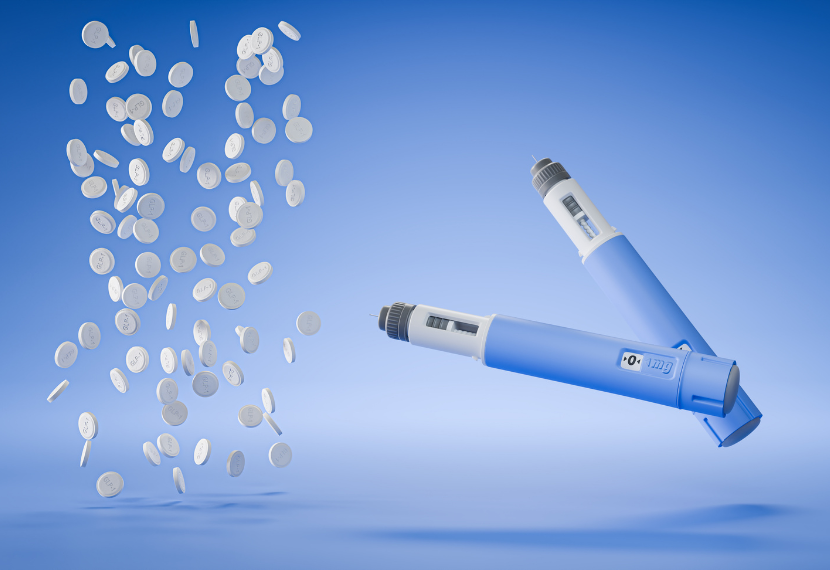
What are GLP-1 Medications?
GLP-1 medications have been used since 2005 to treat diabetes. Over the past decade, they have also shown significant impact on weight loss.
These medications work by mimicking a natural hormone that helps regulate appetite and metabolism. They act on the brain to reduce hunger and increase feelings of fullness. They also slow how quickly food leaves the stomach and improve blood sugar control.
In addition to weight loss, some GLP-1 medications can reduce cardiovascular risk and help treat conditions such as fatty liver disease and obstructive sleep apnea.
Despite growing awareness of GLP-1 medications, obesity is still often misunderstood.
“The American Medical Association recognized obesity as a chronic disease in 2013, but many people still do not view it that way,” Hernandez said. “Like other chronic conditions, it requires long-term treatment.”
GLP-1 Injections
Several GLP-1 medications for weight loss are available as injections, including Zepbound, Wegovy and Saxenda.
Zepbound and Wegovy are taken once a week, while Saxenda is taken daily.
These medications are known for their effectiveness. On average, patients taking Zepbound may lose about 23% of their body weight over time. Wegovy injections average about 14.9%, while Saxenda averages about 8%.
Common side effects are mostly gastrointestinal. These include nausea, constipation, diarrhea and indigestion. Some patients may also experience headache or fatigue.
GLP-1 Pills
A newer option is the GLP-1 pill version of Wegovy, released in early 2026.
This once-daily medication must be taken on an empty stomach, usually in the morning. It may be especially appealing for patients who prefer not to use injections or who have limited insurance coverage.
The pill is generally slightly less effective than injections. In clinical trials, patients lost an average of about 13.6% of their body weight after one year.
Side effects are similar to injections, but there are some differences. The pill has been associated with higher rates of vomiting, while injections may have higher rates of diarrhea and constipation. Overall, discontinuation rates due to side effects are low across all options.
Pills vs. Injections: Key Differences
Choosing between a pill and an injection comes down to a few key factors, including how well it works, how easily it fits into a patient's life and what it costs.
When it comes to effectiveness, injections tend to produce greater weight loss overall. Zepbound injections currently show the highest average results, followed by Wegovy injections and then the Wegovy pill. That said, the pill still offers meaningful weight loss for many patients.
Lifestyle matters too. Some patients prefer taking a pill every morning as part of their routine. Others find a once-weekly injection simpler than remembering a daily medication. There is no universally right answer, only the one that works best for each patient.
Cost can be one of the biggest hurdles. Many insurance plans do not cover these medications, and those that do often require extra steps before approving them. Patients paying out of pocket may find the pill a more affordable option, though prices vary widely depending on pharmacy and location.
GLP-1 Safety and Considerations
GLP-1 medications are not right for everyone.
Patients with a personal or family history of medullary thyroid cancer or multiple endocrine neoplasia type 2 should not use these medications. They should also be used cautiously in patients with a history of pancreatitis or gastroparesis.
Additionally, these medications can affect how the body absorbs other drugs and doctors may need to monitor certain medications more closely. Patients taking oral contraceptives may need to use backup contraception for a short time after starting or increasing the dose.
Choosing the Right GLP-1
There is no one-size-fits-all approach to weight loss treatment.
Dr. Hernandez said care should be tailored to each patient’s medical history, lifestyle and goals. Insurance coverage, cost and personal preferences also play a significant role.
“Patients deserve care that is individualized,” Hernandez said. “We focus on sustainable changes and meeting people where they are.”
She emphasized that progress matters more than perfection and that long-term success comes from building habits that patients can maintain.
Weight Management at CU Medicine
The best GLP-1 choice depends on a patient’s health history, preferences and access to treatment. Working with an obesity medicine specialist can help patients find the safest and most effective path forward.
Mercedez Hernandez, MD, is an assistant professor at the CU Anschutz School of Medicine, Division of Family Medicine. She specializes in obesity medicine and sees patients at CU Medicine Weight Management – CU Anschutz Health and Wellness Center.
